Culture & Heritage
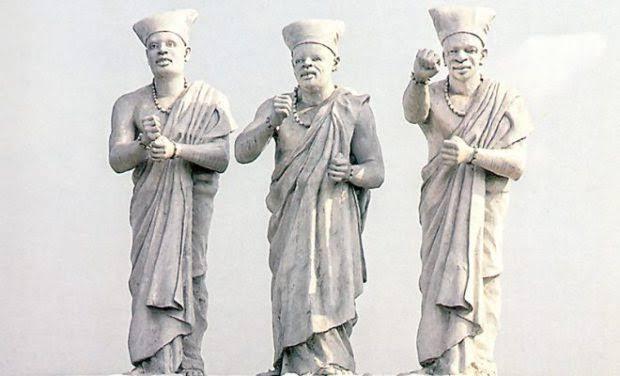
Preserving the culture and heritage of Lagos is crucial for maintaining its identity and history. Here are some of our strategies to achieve that:
1. Documentation and Research: Conduct comprehensive research and documentation of the cultural heritage of Lagos. This includes recording oral histories, documenting traditional practices, capturing architectural features, and cataloging artifacts and artworks. This information serves as a valuable resource for understanding and preserving the city's cultural heritage
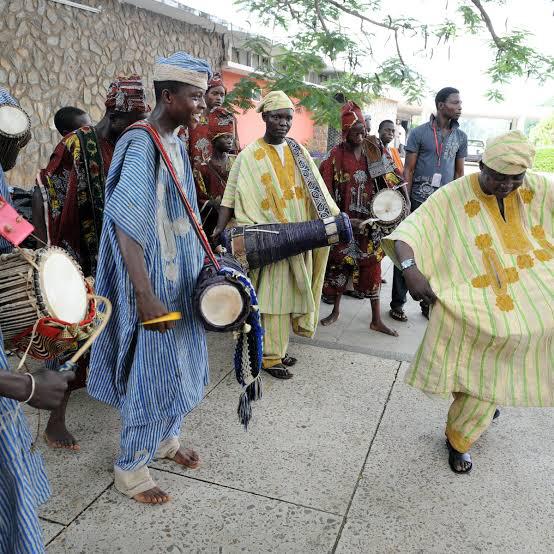
2. Cultural Festivals and Events: Organize and support cultural festivals, events, and celebrations that showcase the diverse cultural traditions of Lagos. These events provide platforms for cultural exchange, community engagement, and the transmission of traditional practices and knowledge.
3. Cultural Education and Awareness: Work with the Lagos State government to Integrate cultural education and heritage awareness programs into primary school curricula. Promote cultural heritage awareness campaigns targeting the primary school pupils to foster appreciation and respect for Lagos' cultural diversity
4. Art and Craft Promotion: Support local artisans and craftsmen by providing platforms for showcasing and selling their traditional crafts and artworks. Encourage the continuation of traditional art forms and craftsmanship through training programs and workshops.
5. Community Engagement and Participation: Involve local communities in the preservation and promotion of their cultural heritage. Encourage community-led initiatives, such as heritage committees or cultural associations, to actively participate in heritage preservation efforts.
6. Legal Protection and Policies: Enact and enforce heritage protection laws and regulations that safeguard cultural heritage sites, artifacts, and intangible practices. Collaborate with relevant government agencies and stakeholders to develop policies and guidelines for heritage preservation and management.
7. Tourism and Cultural Experiences: Develop sustainable cultural tourism initiatives that highlight the unique cultural heritage of Lagos. Encourage responsible tourism practices that respect and support local communities and their traditions.
8. Public- Private Partnerships: Foster collaborations between government bodies, private enterprises, and community organizations to pool resources and expertise for cultural heritage preservation projects. Encourage corporate social responsibility initiatives that support heritage conservation and community development.
Preserving the culture and heritage of Lagos requires a multi-faceted approach involving various stakeholders. It is crucial to balance preservation efforts with sustainable development to ensure the cultural heritage of Lagos remains vibrant and relevant for future generations.
Political Engagements & Rights
Political appointments and the rights of indigenous Lagosians are important issues that need to be addressed to promote inclusivity and fair representation. Here are some step-by-step solutions to address these problems:
1. Recognition of Indigenous Lagosians:
2. Inclusion in Political Appointments:
3. Education and Awareness:
4. Land Rights:
5. Community Development:
6. Collaborative Governance:
It is essential to remember that these solutions would be implemented in consultation and collaboration with indigenous Lagosian communities themselves. Their active involvement and participation in the decision-making process will ensure that the solutions are tailored to their specific needs and aspirations.

Youth Re-branding & Indigenes Support
Youth rebranding and indigenous support initiatives are valuable for empowering young people and providing them with opportunities for personal growth and development. By offering training, support, and resources, these initiatives can help the indigenous youth overcome stereotypes and societal challenges, creating a pathway towards a brighter future.
1. Collaboration: Partnering with local community organizations, government agencies, and NGOs that specialize in youth development and indigenous issues. By working together, we can pool resources, expertise, and networks to create a more comprehensive and effective program.
2. Needs Assessment, Advocacy and Awareness: Conducting a thorough needs assessment to identify the specific challenges faced by indigenous youth in the community and using that information to inform advocacy and awareness efforts. This will involve surveys, interviews, and focus groups to gain a better understanding of their aspirations, challenges, and the types of support they require. Through this assessment, we can raise awareness about the unique needs and contributions of indigenous youth and advocate for their rights, inclusion, and equal opportunities
3. Tech Training and Skill Development: Offering a wide range of training programs and workshops to help the indigenous youth acquire new skills and knowledge. These include but are not limited to vocational training, entrepreneurship programs, leadership development, financial literacy, and digital skills. These initiatives can enhance their employability and empower them to pursue their goals.
4. Mentorship and Role Models: Connecting the indigenous youth with mentors and role models who can provide guidance, support, and inspiration. Mentors can help them navigate challenges, set goals, and make informed decisions. It is important to ensure that mentors and role models are culturally sensitive and have a deep understanding of the challenges faced by the indigenous youth.
5. Access to Resources: Ensuring that indigenous youth have access to resources such as scholarships, grants, and financial assistance for education and training. This can help remove financial barriers and create equal opportunities for success.
6. Community Support: Establishing programs that provide support for marginalized individuals within indigenous communities, such as the elderly or those facing economic hardships. This can include initiatives like community kitchens, healthcare assistance, and social welfare programs. By addressing the needs of the less privileged, we foster a sense of inclusivity and unity within the community.

Digital Economy & Investment Opportunities
The city called Lagos, Centre of Excellence in Nigeria,is a vibrant and dynamic city with a rapidly growing digital economy. It's position as the economic and technological hub of Nigeria, Lagos has brought with it significant increase indigital innovation and investment opportunities. The Indigenous People of Lagos are actively contributing to and benefiting from this thriving digital ecosystem..... albeit gradually
1. Digital Economy in Lagos: Tech Hubs and Startups: A growing number of tech hubs and incubators that foster innovation are gradually making Lagos their home. These spaces provide a platform for Lagos indigenes to create and develop tech startups.
2. Fintech and Mobile Banking: Asides being a economic and financial nerve centre, Lagos has become a hub for fintech companies, with many offering mobile banking solutions. Lagos indigenes are leveraging these services for digital payments, lending, and financial inclusion.
3. E-commerce: The advent of the COVID-19 brought with it a new twist, albeit an interesting one to the commercial city of Lagos. Her e-commerce industry has experienced significant growth. Local entrepreneurs are launching online stores, while consumers benefit from convenient online shopping platforms.
4. Remote Work and Freelancing: The rise of remote work and freelancing opportunities has enabled Lagos indigenes to participate in the global digital job market, offering skills in design, writing, programming, and more.
5. Investment Opportunities for Lagos Indigenes: Tech Startups: Lagos indigenes can invest in tech startups that show promise and align with their interests. These investments can be in the form of angel investments, venture capital, or through platforms like crowdfunding.
6. Real Estate Technology: Real estate tech startups are emerging in Lagos, focusing on property management, listing services, and innovative housing solutions. Indigenes can invest in these companies to tap into the growing property market
7. Agriculture Technology: Agriculture is a vital sector in Nigeria. Lagos indigenes can invest in agtech startups that are working on improving agricultural practices, from farm management to supply chain logistics.
8. Renewable Energy: Lagos faces energy challenges, making renewable energy a promising sector. Investing in solar energy and other green technologies can address both environmental concerns and energy needs.
9. Digital Skill Development: Investment in education and skill development programs for Lagos indigenes is critical. Supporting initiatives that teach digital skills can empower the local workforce and enhance their participation in the digital economy.
It's important to note that while there are abundant investment opportunities, there are also challenges such as regulatory hurdles and inf rastructure limitations. Lagos indigenes should conduct thorough research and seek advice from financial experts before making investments. Overall, the digital economy in Lagos presents an exciting landscape for both innovation and investment, offering a chance for indigenes to be at the forefront of Nigeria's digital transformation